
One of the most notable findings is GHK-Cu’s effect on gene expression. Research shows it influences inflammation, angiogenesis, collagen synthesis, nerve regeneration, and gene expression related to tissue repair. Certified GMP onsite audits and a new Certified Facility program that encompasses banned substances, label claims and contaminants, and GMP compliance. Finished product certifications include banned substances (label claims and contaminants), and GMP compliance.General quality control testing is also available.
The document highlights pH compatibility and stability, enabling formulators to make choices grounded in evidence rather than solely depending on marketing claims. GHK Cu peptide , glycyl-L-histidyl-L-lysine-copper, has garnered significant attention within consumer products and scientific research among bioactive peptides. Data indicates that GHK-Cu might enhance hair follicles (prolong the anagen phase of the hair growth cycle), and mitigate follicle miniaturization, which is a primary factor in pattern hair loss. A potential concern regarding copper overload arises from the high-dose systemic application, especially for individuals with conditions affecting copper metabolism. The compound promotes collagen production, stimulates the Nrf2 antioxidant pathway, inhibits NF-kB inflammatory signaling, and enhances fibroblast activity in the repair of connective tissue. As it is produced naturally in the body, significant adverse effects are rare at therapeutic doses.
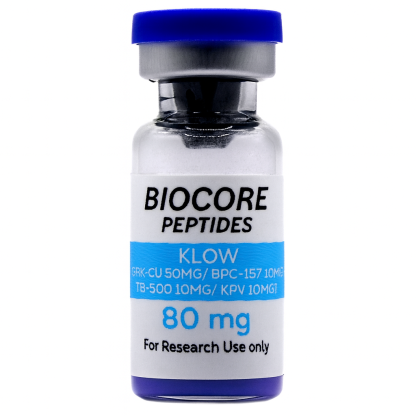
Copper is an essential trace mineral involved in more than a dozen enzymatic reactions in the human body – including those governing connective tissue KLOW 80 peptide blend product formation — antioxidant defense, cellular respiration, and blood clotting. When it binds to copper (II) ions (it forms the GHK-Cu complex), which is the biologically active form. One of the most important of those signals is GHK-Cu – a small copper-binding peptide that plays a central role in collagen synthesis (wound healing), and gene-level tissue repair.
Q: Does it stimulate hair growth?
A 2016 study tested GHK-Cu at 0.01, 1 and 100 nanomolar on adult skin fibroblasts. In 2000 — fibroblasts treated with GHK-Cu made more MMP-2 and secreted more TIMP-1 and TIMP-2. The effect began between 1 and 10 picomolar and peaked at 1 nanomolar, with no change in cell number.4 In rats, wounds treated with it built up more connective tissue.13 The findings are real (and they come from cells in dishes), skin samples and animals, not from faces. The FDA lists compounded injectable GHK-Cu among substances that may pose significant safety risks.10,19
Human trials on topical formulations show measurable improvements in skin laxity (density), and fine lines. At appropriate doses and under proper guidance, this is one of the more approachable peptides to work with. Unlike some peptides that interact with the endocrine system (GHK-Cu does not appear to affect hormones), which gives it a relatively clean risk profile for most users. The good news here is that topical GHK-Cu has a strong safety record in research, with most human studies on topical formulations reporting no serious side effects at standard doses. The right dose depends on individual goals (copper levels), and overall health. There is currently no established human clinical data to guide injectable GHK-Cu dosing.
Has the FDA approved GHK-Cu?
Our studies with the Broad Institute’s Connectivity Map revealed its ability to regulate a large number of human genes including those that are involved in nervous system physiology — development, and maintenance. The human tripeptide GHK has a long history of safe use in wound healing and skin care; it is naturally occurring (nontoxic), and is active at a very low nanomolar concentration. Strong systemic wound healing was induced in pigs at about 1.1 mg GHK-Cu per kilogram body weight which would correspond to about 75 mgs in humans. Using GHK-Cu has an advantage over using just GHK, since it alleviates copper deficiency without the risk of oxidative damage. Peak cellular responses to GHK have been recorded at 1 nanomolar; higher doses can reduce the cellular response .
By age 60, it has fallen to around 80 ng/mL — a 60% reduction that coincides with slower wound healing, declining collagen production, reduced skin elasticity, and impaired tissue repair capacity. It reports what published research found; it is not medical advice — it does not diagnose, treat, cure or prevent any disease, and nothing in it is a dose or a recommendation to use any compound. Evidence for hair growth and joints is laboratory or preclinical only. The human evidence is mostly for topical use on skin — plus small studies in wound settings.
When bound together, the complex plays a role in tissue repair and cellular signaling. You may see claims that copper peptides can rebuild collagen (reverse wrinkles), heal damaged skin, and even outperform retinoids. GHK-Cu and retinol work through different mechanisms. The common convention is 1 to 2 mg subcutaneously once daily, 4 weeks on and 4 weeks off , no trial has tested a dose,. Do not use if you have Wilson’s disease — active cancer, are pregnant or breastfeeding, or are under 18.
A laboratory mechanism can explain interest in the peptide, but a human trial answers a different question. Several findings come from small samples; the post-laser trial found no objective between-group benefit.
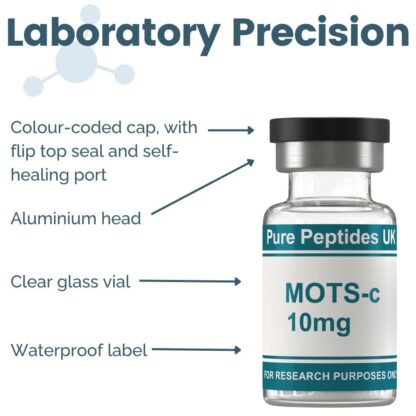
While skin health is predominantly studied, researchers are also exploring its potential influence on tissue repair, hair biology, and the aging process. For biohackers and practitioners evaluating peptide-based tissue repair agents, the evidence and mechanism of BPC-157 provides a valuable comparison; both peptides aid in tissue regeneration but through different receptor pathways. These findings pertain to the peptide itself rather than assertions related to any specific product. Since its identification in 1973 (nearly forty years of comprehensive research have demonstrated its various beneficial effects across numerous organs and tissues), including the nervous system, skin, intestines, bones, and blood vessels. These mechanistic signals are intriguing, yet they should not be interpreted as confirmed clinical effects in humans.
